Picture this: it’s August 3rd, the first day of school is two weeks away, and you’ve just discovered that the specific embroidered blazer your child’s school requires — the one with the crest on the breast pocket, available only through the approved vendor — is backordered until mid-September. A backorder simply means the item is currently out of stock at the warehouse and won’t ship until new inventory arrives. For most consumer purchases, that’s a mild inconvenience. For a required school uniform piece, it can mean your child walks into orientation out of dress code. This article is a working calendar — built for parents who already know the basics of the uniform buying process and want to stay a step ahead of the crunch. You’ll get month-by-month action items, the tradeoffs at each decision point, and clear “if X, then Y” rules so you know exactly when to act and when you can safely wait.
Why August Keeps Ambushing Families (Even Experienced Ones)
The backorder crunch is predictable, but it still catches people off guard because the pressure point isn’t August — it’s the compounding effect of decisions made (or skipped) in April, May, and June.
Here’s the structural problem: most private school uniform vendors operate on a made-to-order or limited-batch model for their higher-end pieces. Heritage blazers, crested jackets, and tailored dress trousers from vendors like Flynn O’Hara and Ramsdens aren’t sitting by the thousands in a distribution center. They’re produced in runs timed to the school year. When those runs sell out — typically by late June for popular sizes — the next batch doesn’t ship until August or September.
The Wall Street Journal’s reporting on back-to-school supply chain disruptions (August 2023) noted that apparel categories with school-specific embroidery or cresting face compounding lead times: fabric sourcing, garment manufacturing, embroidery queue, and finally warehouse fulfillment. Each step adds days. Together, they can add six to eight weeks to what a family assumes is a “two-day shipping” world.
By the numbers:
- Flynn O’Hara’s historical custom-order cutoff for September school starts: approximately June 15–July 1 (varies by school program)
- Dennis Uniform’s peak-season fulfillment window (standard in-stock items): 5–10 business days in July vs. 10–21 business days in August
- National Retail Federation’s 2025 back-to-school survey found the average K–12 uniform-buying family spends $289 on apparel and footwear — but families completing a full kit (blazer, trousers/skirt, shoes, outerwear) report outlays of $600–$1,200 per child
- Lands’ End School’s administrator handbook documents that school-specific embroidered items require a separate production queue and carry a 3–4 week additional lead time beyond standard stock items
Understanding this structure changes how you plan. You’re not fighting one backorder — you’re managing a multi-vendor, multi-lead-time project with a hard deadline (first day of school) and zero tolerance for non-compliance.
The Month-by-Month Buying Calendar
January–February: Audit and Anticipate
Most families ignore uniforms in January. That’s exactly why you shouldn’t.
What to do:
- Pull last year’s uniform items out of storage and assess condition. Stains that set over the summer won’t come out. Hems that needed letting out in October still need it.
- Check your school’s uniform policy document — not last year’s version, the current one. Schools update approved vendor lists, discontinue items, and introduce new dress categories (“Class A,” “No. 2 Dress,” “Academy Formal” are real terms appearing in private school handbooks with increasing frequency). Per the Lands’ End School Administrator Handbook, vendor programs are renegotiated annually and item numbers change between model years.
- Note which pieces are vendor-exclusive (only available through one approved source) vs. spec-compliant (any item meeting the color, fabric, and silhouette requirements). This distinction determines your flexibility window later in the year.
Tradeoff to name: Auditing in January feels premature. But families who skip this step discover in June that a blazer is two sizes small — and June is the last comfortable window to order a replacement before the crunch.
March–April: Size, Measure, and Flag Long-Lead Items
Children’s sizing shifts. A blazer that fit in May of last year may not fit in September of this year. This is the window to measure and cross-reference against current vendor size charts.
Critical note on sizing charts: Heritage blazer patterns are revised periodically by manufacturers. Flynn O’Hara and Trutex both update their sizing periodically, and a “size 10” from three years ago is not guaranteed to match a “size 10” today. Always measure against the current season’s size chart, not the one you saved to your phone two years ago.
What to do:
- Measure chest, waist, height, and inseam. For girls’ kilt sizing (a knife-pleat kilt is a skirt with sharp, single-directional folds — the most common formal style in private school uniforms), measure the waist and hip and check the vendor’s length chart against your child’s torso length, not just their overall height.
- Flag every item that requires embroidery, cresting, or school-specific customization. These are your long-lead items. Flag every item sourced from a single approved vendor with no alternative. These are your risk items.
- Contact your school’s uniform coordinator to confirm whether the vendor list has changed for the upcoming year. This one call saves a lot of grief.
Decision frame: If your child needs a crested blazer or any embroidered item for the fall, your effective ordering window opens now for the safest outcome. Ordering in April for a September start is not over-preparation — it’s standard practice for families who’ve been burned before.
May–June: Primary Order Window — Act Here or Accept Risk
This is the most important window in the calendar. May and June represent the last period in which you can place orders with reasonable confidence of pre-school-year fulfillment without expedite fees or luck-dependent inventory.
Flynn O’Hara’s back-to-school ordering FAQ (updated annually on their website) historically indicates that custom and embroidered orders for September school starts should be placed by approximately June 15 to guarantee fulfillment. Dennis Uniform’s school-year readiness documentation similarly notes that school-specific program items are produced in seasonal batches, and late June is when popular sizes in blazers and dress trousers begin drawing down.
What to do:
- Place your full order for all vendor-exclusive and long-lead items.
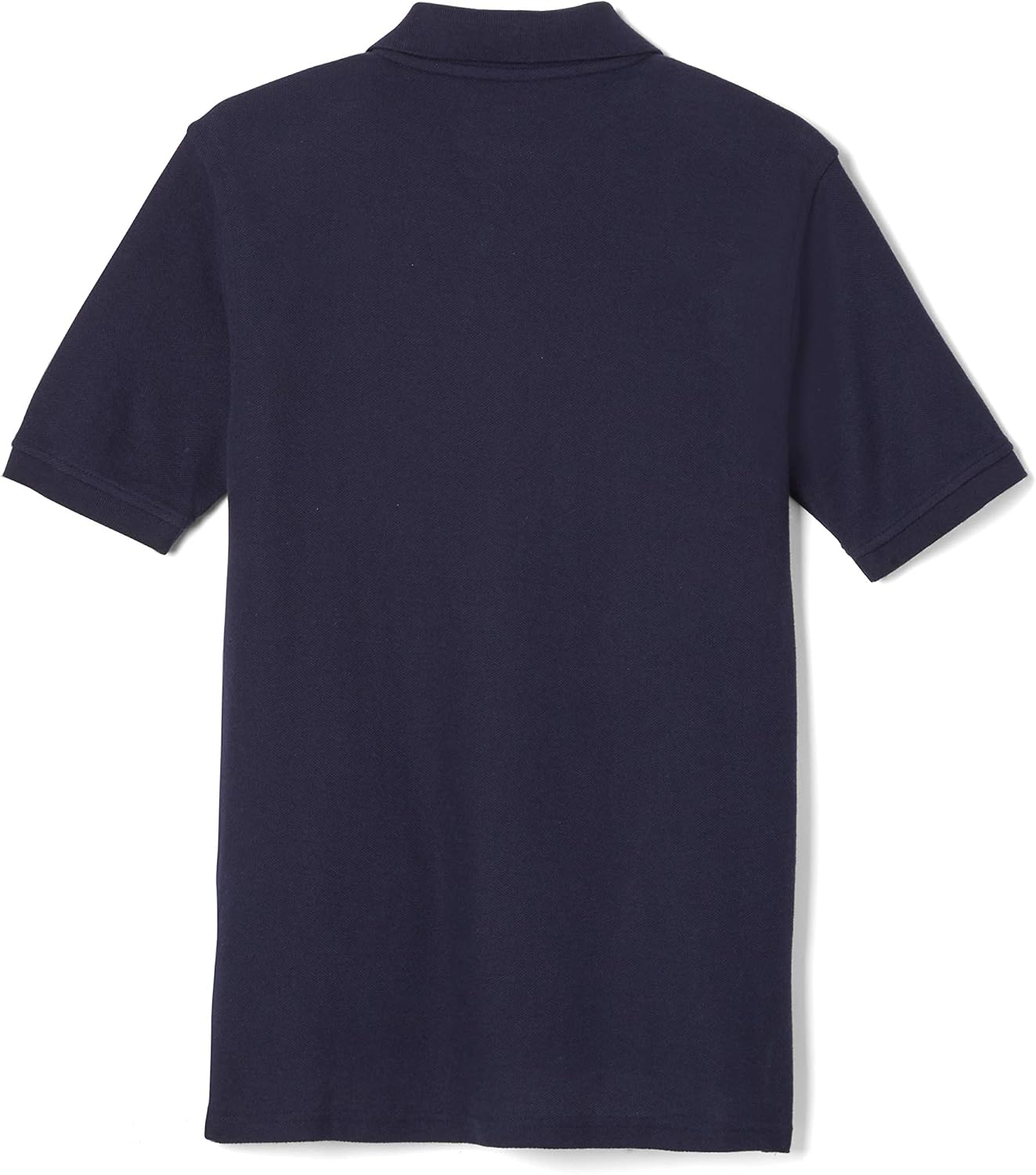
- For everyday essentials — French Toast polos, Classroom twill trousers — you have more flexibility. These are commodity-grade, widely stocked items at the $8–$30 price point, and they replenish quickly. You can wait on these.
- For mid-range staples from Lands’ End School or Dennis Uniform (the $30–$80 range), order by late June. These items stock better than premium pieces but still face August pressure in popular youth sizes (8–12 in particular tend to sell through fastest).
Tradeoff to name explicitly: Ordering everything in May ties up cash two to three months early. But consider the math: a family spending $800 on a full kit saves nothing by waiting — and risks a $150 expedite shipping fee or, worse, a September delivery that means week-one dress code violations. The cost-per-delay is real.
If X, then Y — Rule #1: If any item on your list requires school-specific embroidery or vendor-exclusive cresting, order it by June 15. No exceptions.
July: Catch-Up Window (With Caveats)
July is workable for standard stock items. It is risky for anything embroidered or vendor-exclusive.
What to do:
- Complete your order for everyday essentials. Polos, undershirts, basic trousers, uniform socks — buy enough for the week. The standard guidance repeated consistently across uniform buying resources is that families underestimate volume: plan for five days of wear between laundry cycles, not two or three.
- If you missed the May–June window for premium pieces, contact the vendor directly. Ask specifically: (a) Is this item in stock in my child’s size? (b) What is the current fulfillment lead time? (c) Is an expedite option available, and what does it cost? Get answers in writing or in a chat transcript.
- Check your school’s policy on temporary uniform compliance — some schools issue grace periods for backordered items if you can show documentation of a pending order. Know this before August, not the morning of orientation.
If X, then Y — Rule #2: If a premium item is out of stock in July, call the vendor, get the estimated ship date in writing, and notify your school’s uniform coordinator immediately. Documentation is your only leverage for a grace-period exception.
August: Triage Mode
By August, your options narrow. In-stock items at the $8–$30 tier (French Toast, Classroom) are still available and still ship quickly. Everything above that carries risk.
What to do:
- For anything still outstanding, prioritize items that affect dress code compliance on day one (blazer, formal trousers or skirt, dress shoes) over supplemental pieces (extra polos, PE uniform, outerwear for fall weather).
- Consider in-store pickup if your vendor has a physical location — Flynn O’Hara operates retail storefronts in several East Coast cities, and bypassing the fulfillment queue by shopping in person is a genuine option for families within driving distance.
- Check peer networks and school parent groups for families selling outgrown uniform items in good condition. For heritage blazers — which can retail at $150–$250+ — a secondhand piece in the correct size is a practical bridge while you wait for a new order to arrive.
- Resist the urge to buy an off-list item “just to have something.” A blazer that doesn’t match the school’s approved style may not be accepted, even temporarily.
If X, then Y — Rule #3: If it’s August and a required item is backordered past the first week of school, escalate to the school directly with your order confirmation. Most schools will not penalize a family who ordered correctly and can show documentation — but you must initiate that conversation proactively, not reactively.
The Decision Framework in Plain Terms
The calendar above boils down to three priority tiers and one master rule:
Tier 1 — Order by June 15: Anything embroidered, crested, or vendor-exclusive. No flexibility here.
Tier 2 — Order by late June/early July: Mid-range staples (Lands’ End School, Dennis Uniform) in youth sizes 8–14. Popular sizes draw down by mid-July.
Tier 3 — Order anytime through late July: Commodity essentials (French Toast polos, basic trousers, socks, undershirts). Restock quickly; less urgent.
Master rule: Your order date for Tier 1 items should be set on your calendar the day you receive your school’s uniform policy for the upcoming year — not when the supply feels urgent. The backorder crunch is predictable. The families who avoid it aren’t luckier; they’re earlier.
The August panic is optional. It just requires making peace with the fact that uniform buying for September is actually a spring project. Once that mental shift lands, the calendar does the rest of the work for you.