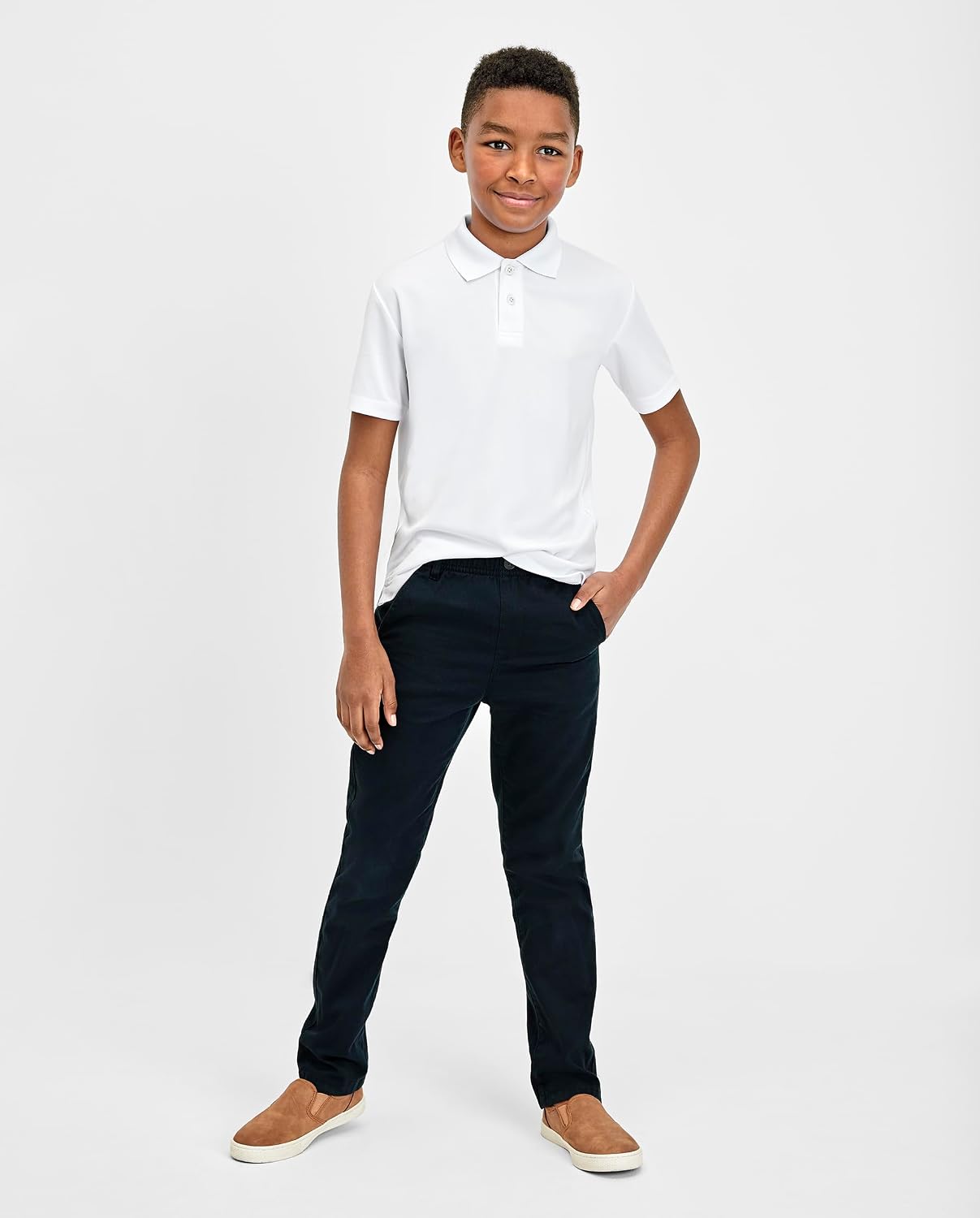
You’re standing in front of a uniform vendor’s website in late July, trying to decide whether to grab a three-pack of polo shirts for $28 or buy six individual polos at $11.50 each. Both options land your child in the same shirt on Monday morning — but one of them will cost you meaningfully more over the course of a school year, and it’s not always the one that looks more expensive at checkout. Multipack uniforms are bundles sold together at a per-unit discount — think three polos in one bag versus buying each separately. Single-piece purchasing means buying exactly what you need, one item at a time, usually with more flexibility on color, size, or style. This article walks you through a simple cost-per-wear calculation — a way of dividing what you paid by how many times something actually gets worn — so you can decide which approach genuinely stretches your uniform budget, and when it’s worth paying more upfront to save more later.
If you’ve already been through a school year or two of uniform buying, you know the language. You’ve seen the vendor-approved list, navigated the difference between “everyday dress” and “formal uniform,” and probably developed opinions about which brands hold up through the wash cycle. What you may not have done yet is run the actual numbers. Let’s do that now.
| EDITOR'S PICKThe Children's Place Boys' Stre… | Mid-tierThe Children's Place Girls' Sho… | Budget pick[Amazon Essentials Girls and Tod…](https://www.amazon.com/dp/B077XMC9WF?tag=greenflower20-20) | |
|---|---|---|---|
| Gender | Boys | Girls | Girls |
| Type | Pants | Polo | Polo |
| Pack size | 2 | 5 | 5 |
| Price | $35.97 | $25.00 | $23.30 |
| See on Amazon → | See on Amazon → | See on Amazon → |
Why Cost-Per-Wear Changes Everything About the Multipack Decision
The retail price on the tag is not the real price you pay. The real price is what you paid divided by how many times the item earned its place in your child’s wardrobe before it was outgrown, worn through, or retired.
The formula is straightforward:
Cost-per-wear = purchase price ÷ number of wears
A $12 polo worn 80 times across the school year costs you $0.15 per wear. A $9 polo that fades badly after 30 washes and gets pulled from rotation at week 14 costs you $0.30 per wear — twice as much for the same look on a Monday morning. That gap matters, and it is the central argument for paying more per unit when the quality justifies it.
Good Housekeeping’s staff-tested school uniform buying guide has repeatedly flagged this dynamic: budget-tier polos frequently save money at the register but underperform on wash durability, meaning families end up buying replacements mid-year at full single-unit price. The publication recommends assessing fabric weight and seam construction before committing to a full-season quantity of any unfamiliar brand.
Here is where multipack math gets interesting: bundles do not always win on durability, and single pieces do not always lose on price.
A side-by-side on a hypothetical polo purchase:
| Option | Unit Price | Qty | Total Spend | Est. Wears Per Shirt | CPW |
|---|---|---|---|---|---|
| Budget multipack polo (3-pack) | ~$9.33/ea | 3 | ~$28 | 55–65 | ~$0.16 |
| Mid-tier single polo (school vendor) | ~$14.00/ea | 3 | ~$42 | 85–95 | ~$0.16 |
| Premium single polo (heritage brand) | ~$22.00/ea | 3 | ~$66 | 125–135 | ~$0.17 |
At first glance, the three-packs look like the obvious winner. But cost-per-wear is nearly identical across all three tiers once you account for realistic wear cycles. The premium polo closes the gap faster than the price tag suggests, particularly if your child stays in the same size for a full year and a half.
The National Retail Federation’s Back-to-School Spending Survey found that families with children in uniform-required schools spent an average of $340–$510 on uniform items per child per year. Families buying exclusively single-piece, mid-tier items without a deliberate quantity strategy consistently landed at the upper end of that range. Forbes’ back-to-school budgeting coverage has cited similar patterns, noting that reactive purchasing — buying in small quantities when items run out — costs families significantly more annually than front-loaded, planned purchasing does.
When Multipack Wins: The Everyday Essentials Case
Budget Tier — High-Frequency Basics
For high-frequency, high-attrition items — polos, undershirts, basic trousers, plain white blouses — multipack purchasing almost always wins on total outlay. It wins for a second reason the cost-per-wear formula alone does not capture: rotation depth.
Most parents dramatically underestimate how many polos a child actually needs. A five-day school week, a reasonable washing cadence of two to three loads per week, one or two spills or grass stains that take a shirt out of rotation mid-week — and you need at least five to six polos in active circulation to avoid the 7 a.m. scramble. Families who buy three and plan to wash constantly find themselves buying three more in October anyway, usually at full price with no bundle savings.
Good Housekeeping’s uniform coverage notes that budget-tier multipack polos from mass-market brands perform adequately for everyday rotation when purchased in sufficient quantity, and that the key risk is not quality failure but backorder timing: approved colors in common sizes sell out at major school uniform vendors mid-October through early November most years. Buying your full rotation quantity in August is both cheaper and more reliable.
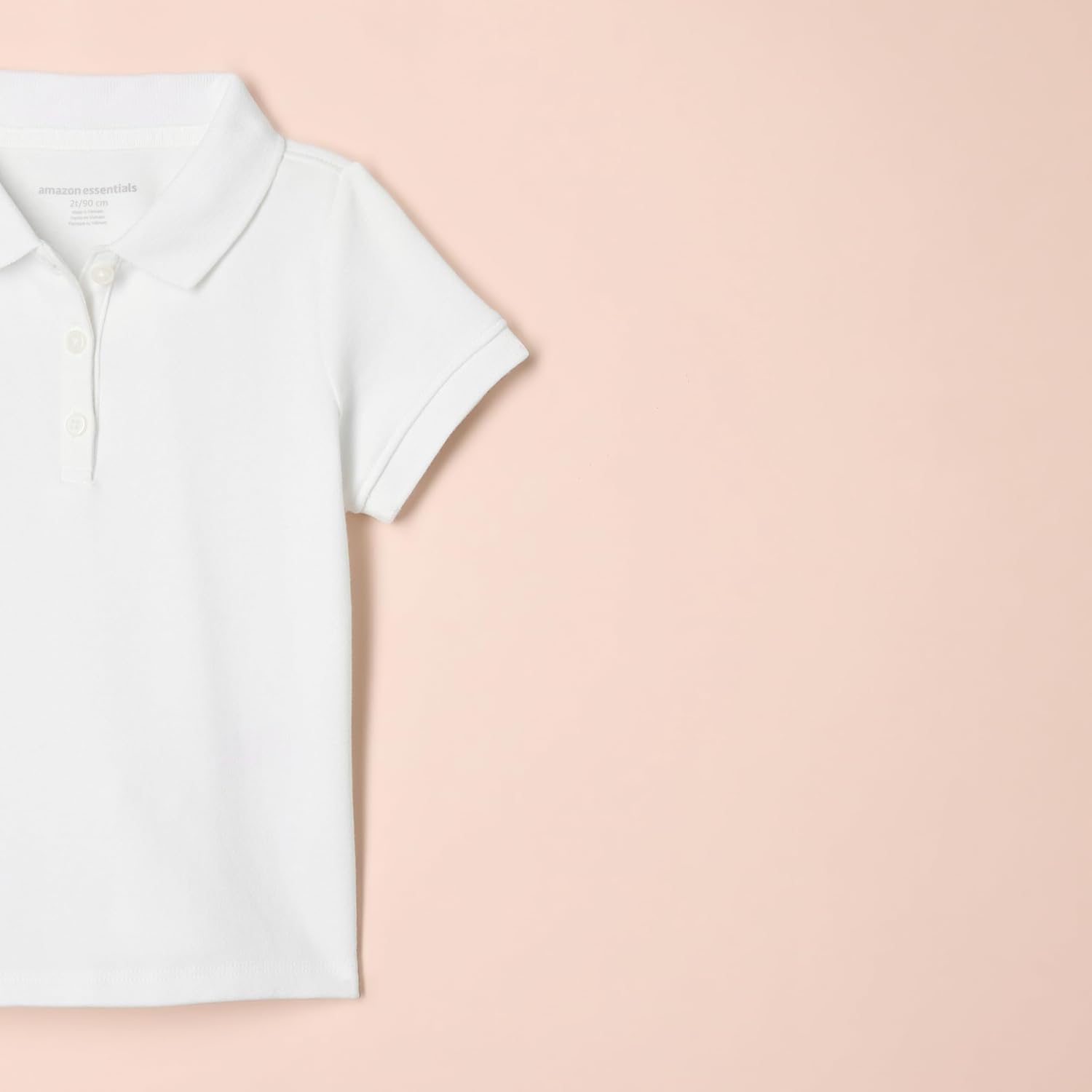
Amazon
$23.30
In stock on Amazon
Check price on AmazonMid-Tier Picks — The Rotation-Plus-Quality Balance
At the mid-tier, you are typically dealing with school-specific vendor programs that price multipacks at roughly 10–18% below single-unit pricing on everyday items like polos, trousers, and gym shorts. Consumer Reports’ back-to-school uniform coverage (published annually and available on consumerreports.org) has recommended this tier as the most practical choice for families whose children are in stable growth phases — specifically, children who are unlikely to jump more than one size between August and May.
The decision calculus at mid-tier looks like this: if the item will be worn four or more times per week, costs between $12 and $20 per unit, and is available in your child’s confirmed size from a vendor with reliable stock, buying five to six units upfront is almost always the right call. The per-unit savings and rotation depth together earn back the upfront spend within six to eight weeks of the school year.
The New York Times Wirecutter’s coverage of kids’ everyday clothing has made a related point about fabric durability and mid-tier pricing: the difference between a $9 polo and a $14 polo is frequently not margin — it is stitching density, fabric weight, and collar construction, all of which affect whether the shirt looks presentable at week 30 or starts to look tired at week 18.
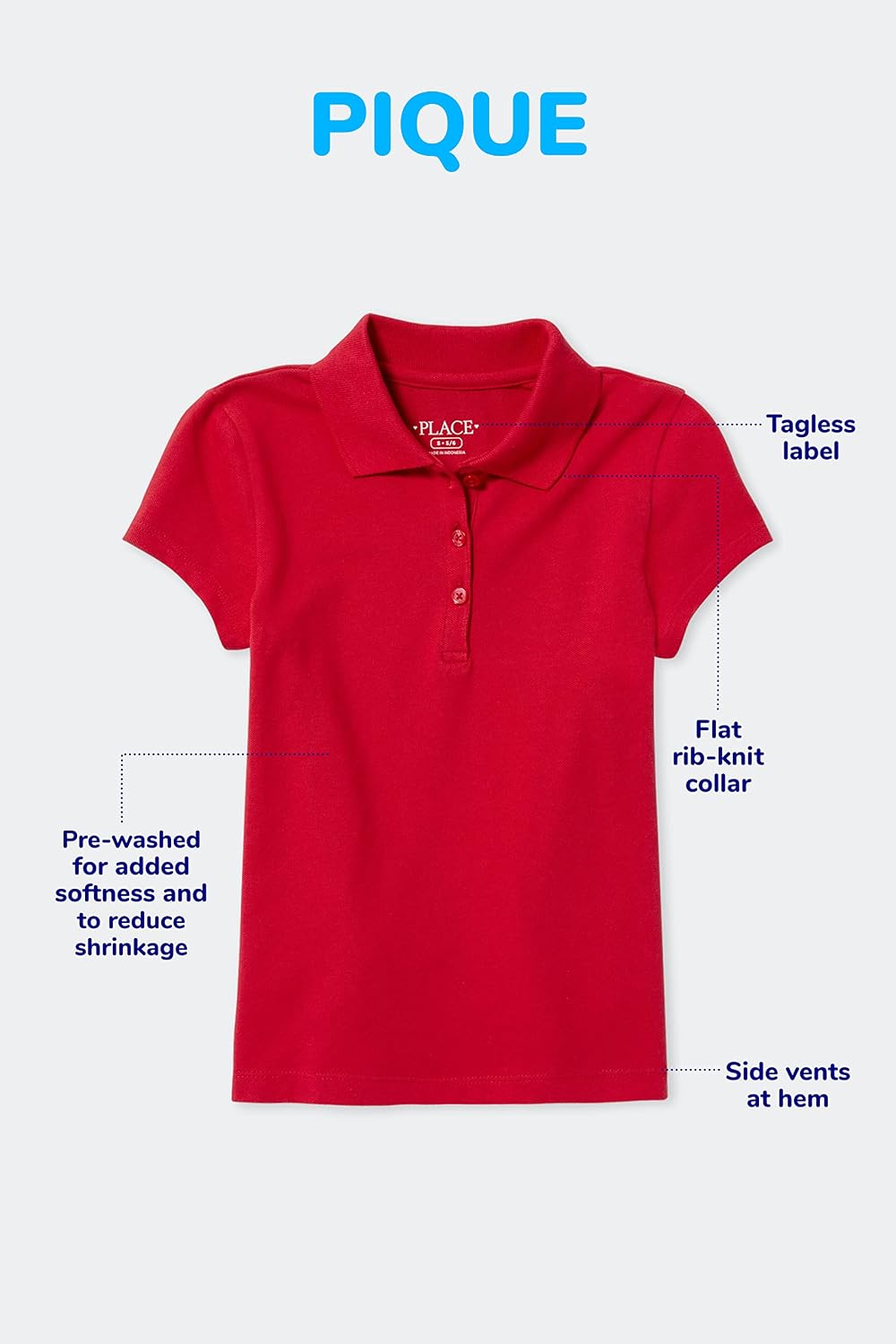
The
$25.00
In stock on Amazon
Check price on AmazonPremium Tier — When Spending More Is Actually Spending Less
The premium single-piece case applies most clearly to schools that require specific crested or embroidered items from an approved vendor — common at parochial schools, independent schools, and schools with heritage uniform programs. Here, the per-unit price is higher by design, and the appropriate response is not to resist that cost but to extract maximum wear from each piece through proper care.
Consumer Reports has consistently recommended that parents buying premium uniform items — particularly blazers and formal dress shirts at this price tier — prioritize proper laundering and storage over quantity purchasing. A premium polo or dress shirt maintained correctly, hung rather than folded, and treated promptly for stains can carry over a second school year for children in stable growth phases, effectively halving the annual cost-per-wear without requiring a second purchase.
The
$35.97
In stock on Amazon
Check price on AmazonWhen Single-Piece Wins: Heritage Items, Blazers, and Fit-Critical Pieces
The multipack logic inverts completely for high-investment items: blazers, dress trousers, pleated skirts, kilts, and formal uniform pieces. Here, buying one carefully fitted piece is almost always the better call.
Consider the math on a heritage blazer. Crested school blazers from approved vendors typically run $110–$180 depending on school program and sizing. A child who grows out of the blazer after one year has worn it roughly 80–100 times over the school year, assuming two formal uniform days per week plus special events. Cost-per-wear at that range: $1.10–$2.25. That is not a number to be embarrassed about — a comparable adult sport coat at similar construction quality would run far higher on a per-wear basis — but it does mean your priority should be fit accuracy at purchase, not quantity.
Blazers maintained with proper hanging, spot cleaning, and occasional professional pressing routinely carry over a second year for children who have not had a significant growth event. That second year drops your cost-per-wear to $0.55–$1.12 — genuinely strong value for a tailored piece. The lever is not buying two blazers. It is buying one that fits correctly and caring for it so it earns a second season.
Consumer Reports’ back-to-school uniform coverage consistently flags that parents who purchase heritage blazers without in-person fitting, or who order online without consulting the brand’s sizing guidance, return or replace them at a much higher rate than parents who attend a fitting appointment. The fit-critical nature of a blazer means a single well-fitted piece outperforms two poorly fitted ones every time.
Single-piece decision rules for investment items:
- Blazers, dress coats, formal trousers, pleated skirts, and kilts: buy one, fit carefully, care well.
- If the school requires a specific crested or embroidered piece from an approved vendor, treat the fitting appointment as part of the product — not an optional extra.
- Factor in alteration costs. A $130 blazer that needs $25 in tailoring is still a better deal than a $100 blazer that pulls at the shoulders every time your child raises their hand.
Building Your Own Calculator: The Five Inputs That Actually Matter
You do not need a spreadsheet with 40 variables. You need five honest answers:
1. How many wears per week will this item realistically get? Polos: 4–5. Dress trousers: 2–3. Blazer: 1–2 plus events. Gym uniform: 3–4.
2. How many weeks until this item is likely outgrown or worn through? For everyday items in mid-growth years, plan 36–40 weeks. For blazers and dress pieces, 36–72 weeks depending on growth rate.
3. What does the item cost, including tax and shipping? Do not forget shipping on single-piece orders, where flat-rate shipping costs can add $8–$12 per order. Multipack orders more frequently hit free-shipping thresholds.
4. What is the realistic total number of wears before retirement? Multiply wears-per-week by likely weeks in rotation. Be honest about attrition — a polo that goes out of rotation at week 20 does not earn week 36 wears.
5. Divide price by total wears. That is your cost-per-wear.
Once you have CPW, the comparison is clean: the lower the number, the more value you are extracting per dollar spent. For most families, a CPW below $0.25 on everyday items and below $1.50 on investment pieces represents strong seasonal value.
The Tradeoff Table: A Quick Reference for Common Decisions
| Item Type | Buy Multipack? | Buy Single? | Key Decision Driver |
|---|---|---|---|
| Basic polo (everyday dress) | ✅ Yes — buy 5–6 | Only if trialing a new vendor | Rotation depth + per-unit savings |
| Dress shirt (formal uniform) | Maybe — buy 2–3 | ✅ If fit is uncertain | Lower attrition; fit matters more |
| Trousers or skirt (everyday) | 2 pairs minimum | ✅ For formal/dress trousers | Everyday needs volume; formal needs fit |
| Heritage or crested blazer | ❌ Almost never | ✅ One well-fitted piece | Outgrown annually; fit is the product |
| Gym uniform set | ✅ Buy 2 sets | Only if school limits options | High wear frequency; low unit cost |
| Formal dress shoes | ❌ Never multipack | ✅ One fitted pair | Fit-critical; low wear frequency |
The Decision Rule, Plainly Stated
If the item gets worn four or more times per week, costs under $30 per unit, and is available in your child’s confirmed size from a vendor with reliable stock: buy in volume, buy now, and calculate forward from CPW, not from the price tag.
If the item is a heritage piece, a tailored garment, or anything requiring a specific school crest or embroidery: buy one, fit it properly, care for it diligently, and plan your reorder around growth — not around a bundle deal.
Forbes’ back-to-school budgeting coverage puts the broader principle plainly: the families who overspend on uniforms are rarely the ones who bought the expensive blazer. They are the ones who bought three polos in August, ran out in October, paid full-price shipping twice, and then bought two more in the wrong size in January. The cost-per-wear calculator will not make every decision for you — but it will stop you from letting the cheaper-looking price tag disguise the more expensive outcome.