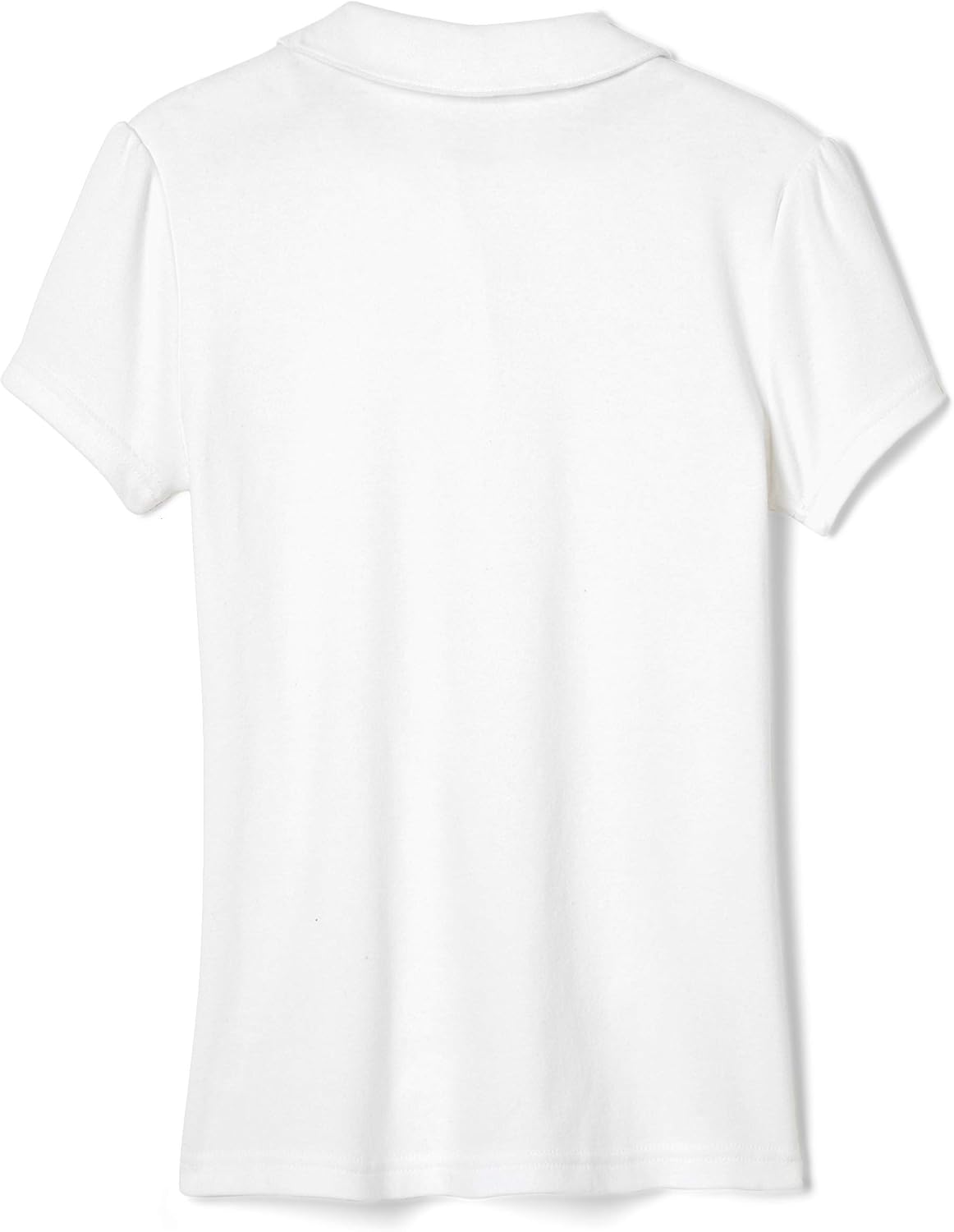
You open the orientation packet on a Tuesday evening in late July, flip past the bus schedule and the lunch account instructions, and land on it: a two-page uniform list with checkboxes, style codes, vendor names you’ve never heard of, and a footnote that says “Class A uniform required for all assemblies.” If you’re a first-time private or parochial school parent, that moment can feel genuinely paralyzing. The good news is that the list is longer than it needs to be — at least right now. This guide is about triage: figuring out which pieces your kindergartner actually needs on day one, which ones can wait until you know the school better, and how to spend your budget in the order that makes the most practical sense.
A quick vocabulary note before we get into it: when uniform guides talk about everyday wear they mean the pieces your child will wear four or five days a week — typically a polo shirt (a collared knit shirt, more durable than a dress shirt) and twill trousers or a pleated skirt. Formal or “Class A” uniform refers to a more dressed-up version required for assemblies, photos, or special events — usually a blazer (a structured, often crested school jacket) added over the everyday pieces. You will need both, but you do not need both immediately.
Start With the Math, Not the List
Before you touch the vendor websites, do a quick inventory of how many school days your child will actually be wearing uniform in the first semester. Most kindergartners are in school five days a week, which means five days of laundry rotation. Parents consistently underestimate this number — it is one of the most common first-year mistakes documented in parent community boards and echoed in the Lands’ End School buying guide for new families.
A working rule of thumb for kindergarten:
- 5 polos minimum (two full wash cycles per week without stress)
- 3 bottoms (trousers, skirts, or shorts — kindergartners are hard on knees)
- 1 formal blazer or crested cardigan (for Class A / assembly days)
- 1 pair formal shoes (separate from PE shoes)
- PE kit if required separately (check the handbook — many schools list this on a second page)
That is your Phase 1 kit. Everything else on the list — spare ties, extra formal trousers, additional knitwear layers — is Phase 2, and you have until October half-term to fill it in once you know how the laundry cycle actually works in your house.
The Vendor Tier Decision: Where to Buy What
This is where families with some uniform experience start making sharper choices. The private school uniform market in 2026 broadly breaks into three price tiers, and each one is the right answer for different pieces — not for different families.
Tier 1 — Everyday consumables ($8–$30 per piece): French Toast Official Schoolwear and similar value-positioned suppliers are purpose-built for the pieces your child will destroy. French Toast’s uniform polos and twill flat-front trousers are consistently reviewed by parents as holding up through a full academic year of heavy use — reviewers across uniform parent forums note that the fabric doesn’t pill badly even after thirty or forty wash cycles. Buy your full quantity of everyday polos and spare trousers here. The French Toast sizing guide recommends sizing up one increment for kindergartners who are between sizes, because the cut runs slightly trim.
Tier 2 — Mid-range staples ($30–$80 per piece): Lands’ End School and Dennis Uniform occupy this space. Dennis Uniform’s parent sizing guide specifically flags that their twill trousers have a longer crotch rise than some competitors — useful to know for children who are long-waisted or who need room to grow. Lands’ End School’s uniform pieces are frequently noted by parents for their iron-free finish, which becomes a genuine quality-of-life feature at 7:15 AM on a Wednesday. This tier is the right call for:
- Formal trousers or a pleated skirt that need to look sharp through the school year
- Knitwear layers (cardigans, v-neck jumpers) where fabric quality is visible
- Anything with the school’s embroidery applied at the vendor level
Tier 3 — Heritage and crested pieces ($80–$250+): Flynn O’Hara and Ramsdens handle the blazers, crested jackets, and formal dress components that many private schools require families to purchase through an approved vendor — because the school’s crest can only be applied by licensed suppliers. Flynn O’Hara’s ordering guide notes that custom crested blazers typically require 4–6 weeks lead time from order to delivery, and that school-specific sizing blocks (the pattern a manufacturer uses for a particular school’s blazer) are updated periodically. This matters for kindergarten because it means you cannot simply size up aggressively and expect the fit to work — the blazer has a structured shoulder, and a shoulder that sits two inches wide looks immediately wrong in the school photo.
The tradeoff summary:
| Piece | Recommended Tier | Why |
|---|---|---|
| Everyday polo x5 | Tier 1 (French Toast) | High wash frequency; cost-per-wear wins |
| Formal trousers / skirt | Tier 2 (Dennis / Lands’ End) | Needs to look sharp; worn less often |
| School blazer | Tier 3 (Flynn O’Hara / Ramsdens) | Crest licensing; structured fit matters |
| Knitwear layer | Tier 2 (Lands’ End) | Visible quality; iron-free finish useful |
| PE kit | Tier 1 | Consumable; high replacement rate |
The Fit Problem Is Different at Kindergarten Age
Here is where intermediate uniform buyers sometimes overweight the wrong variable. The standard advice for older children — size up one full size to allow a full year’s growth — does not translate cleanly to kindergarten blazers and structured outerwear. The National Association of Independent Schools’ uniform policy benchmarking report notes that school-specific approved vendors often build a modest growth allowance into their standard sizing blocks, meaning the “size 5” in a Flynn O’Hara blazer already has more ease than a size 5 in a retail garment.
The practical implication: measure your child and compare against the vendor’s specific size chart rather than buying instinctively one size up. For the unstructured pieces — polos, trousers with an adjustable waistband — sizing up one increment is fine and almost always recommended. For the blazer, match to measurements and trust the vendor’s chart.
Dennis Uniform’s sizing guidance specifically recommends the following measurements for accurate school uniform ordering:
- Chest circumference (not estimated — measure over a light shirt)
- Natural waist (for trousers with adjustable waistbands)
- Height (for overall garment length calibration)
Flynn O’Hara’s ordering guide echoes this and adds that sleeve length is the measurement parents most often skip, leading to blazers where the sleeves either cover the hands or expose the shirt cuff at an awkward length.
The Timing Problem: When to Order What
In May 2026, most major uniform vendors are approximately 10–14 weeks out from the August rush. That window matters a great deal for crested and custom pieces.
Flynn O’Hara has historically closed or significantly constrained custom crested blazer orders for new school-year delivery in late June — the specific cutoff shifts year to year, but the pattern of a mid-summer squeeze is consistent across their published ordering guidance. If your child’s school requires a blazer embroidered with the school crest, ordering in May or early June is the conservative and correct move.
For everyday pieces from French Toast and Lands’ End School, the August backorder risk is real but more manageable — popular sizes (especially 4T through 6) sell down quickly, but both vendors typically restock in rolling batches through September. The Lands’ End School buying guide acknowledges that August represents their highest-volume window and recommends ordering at least six weeks before the school start date for guaranteed delivery.
A rough ordering calendar for a kindergarten starting in September:
- Now (May–early June): Order the blazer and any other crested pieces through your school’s approved vendor.
- Late June: Order formal trousers/skirt and knitwear layers from Tier 2.
- July: Fill in everyday polos and PE kit from Tier 1. Size up one increment if between sizes.
- August: Reassess after the first week of school. You will almost certainly need at least one more polo.
The Cost-Per-Wear Argument, Applied to Kindergarten
This is the single most useful frame for deciding when to spend more. A blazer your child will wear once a week for 36 school weeks, and then again next year if it still fits, has a cost-per-wear that drops sharply with quality. A $140 Flynn O’Hara blazer worn 70 times over two years costs $2.00 per wear. A $65 replacement blazer that loses its shape after one semester and needs replacing costs more over the same period.
The same logic runs in reverse for everyday polos. A $9 French Toast polo worn 5 days a week for 36 weeks, then replaced, costs roughly $0.05 per wear. Upgrading to a $24 polo for everyday use does not meaningfully improve cost-per-wear because the replacement rate is driven by growth and wear, not by fabric failure. Reviewers consistently note that the performance gap between Tier 1 and Tier 2 polos narrows dramatically after 20 washes.
The if/then decision rule:
- If the piece is structural and visible (blazer, formal trousers, crested knitwear): buy the approved vendor’s version at full price. The fit, fabric, and crest authenticity are non-negotiable, and the cost-per-wear math supports it.
- If the piece is a high-frequency consumable (everyday polo, spare trousers, PE kit): buy Tier 1 in the quantity your laundry cycle demands. Save the budget for pieces where quality is visible.
- If you are unsure whether your child will even stay at this school beyond kindergarten: buy one blazer, not two, and fill the consumable slots generously. School transfers are more common than vendors will acknowledge, and crested pieces from one school are not transferable.
The list on that orientation packet is not wrong — your child will eventually need most of what’s on it. The starter kit approach just means you are not buying semester three’s formal winter coat in August, before you know whether the school even enforces it at kindergarten level. Start with what you need by day five. Add everything else as you learn the rhythms of the school year.